

See features across all formats
Interactive questions
Check your understanding with instant feedback and extra guidance.
Interactive charts
Analyse the story behind the data with interactive charts.
Step-by-step figures
Grasp complex ideas by stepping through our simple slidelines.
Videos and transcripts
Engage with economists in action in high-quality video, with transcripts in multiple languages.
Pop-up definitions
Click on key terms to see instant definitions without losing your place.
Bookmarks
Save your place with bookmarks.
Index of concepts
Want to see every place a concept is covered? Use the concept index, whether on the web or in print.
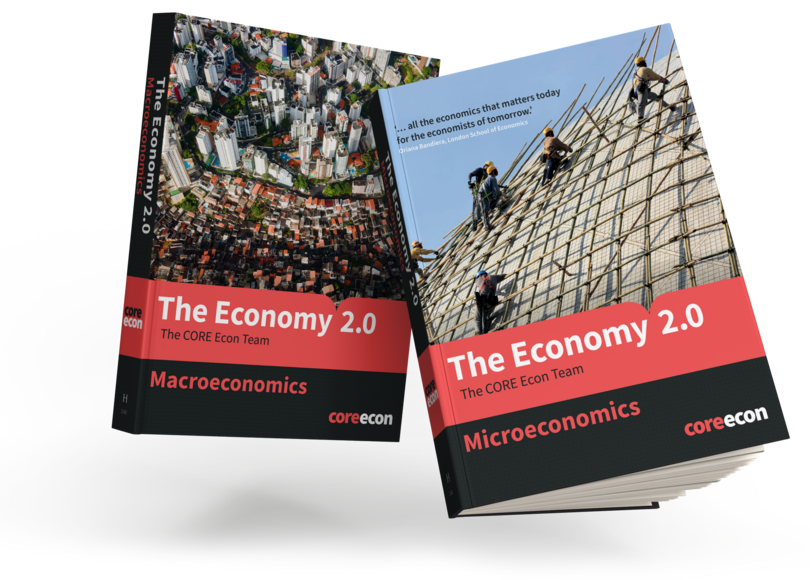
The Economy 2.0
Full table of contents

Preface
We're changing the way economics is taught
Learn more about our mission and what makes The Economy 2.0 a unique textbook.

Unit 1
Prosperity, inequality, and planetary limits
How capitalism revolutionized the way we live, and how economics attempts to understand this and other economic systems.

Unit 2
Technology and incentives
How improvements in technology happen, and how they sustain growth in living standards.

Unit 3
Doing the best you can: Scarcity, wellbeing, and working hours
How individuals do the best they can within the options available, and how they resolve the trade-off between earnings and free time.

Unit 4
Strategic interactions and social dilemmas
How, when social dilemmas arise from self-interested behaviour, a combination of social norms, a regard for the wellbeing of others, and appropriate institutions may lead to more desirable social outcomes.
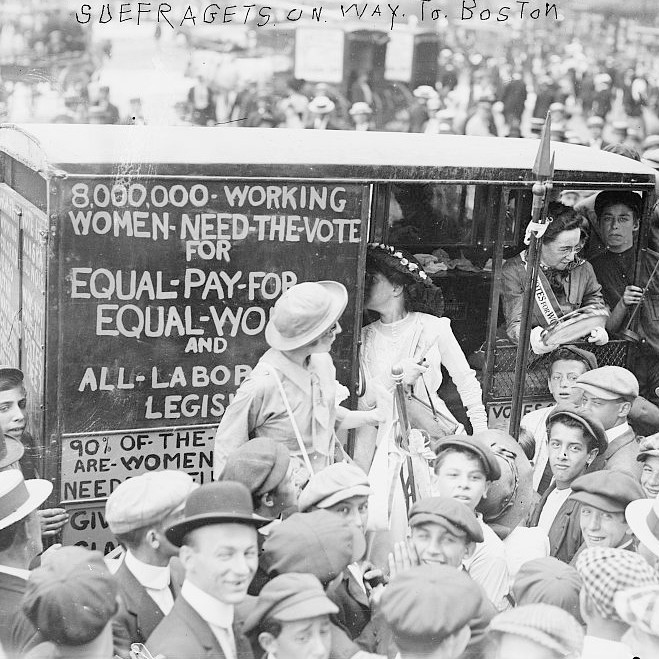
Unit 5
The rules of the game: Who gets what and why
How institutions influence the fairness and efficiency of the outcomes that result when people interact in the economy.

Unit 6
The firm and its employees
How the interactions among the firm’s owners, managers, and employees influence wages, work, and profits, and how this affects the entire economy.

Unit 7
The firm and its customers
How a profit-maximizing firm producing a differentiated product interacts with its customers.

Unit 8
Supply and demand: Markets with many buyers and sellers
How markets work in competitive equilibrium, when all buyers and sellers act as price-takers.

Unit 9
Lenders and borrowers and differences in wealth
How borrowing and lending expand opportunities for mutual gain, and the factors that limit their capacity to accomplish this.
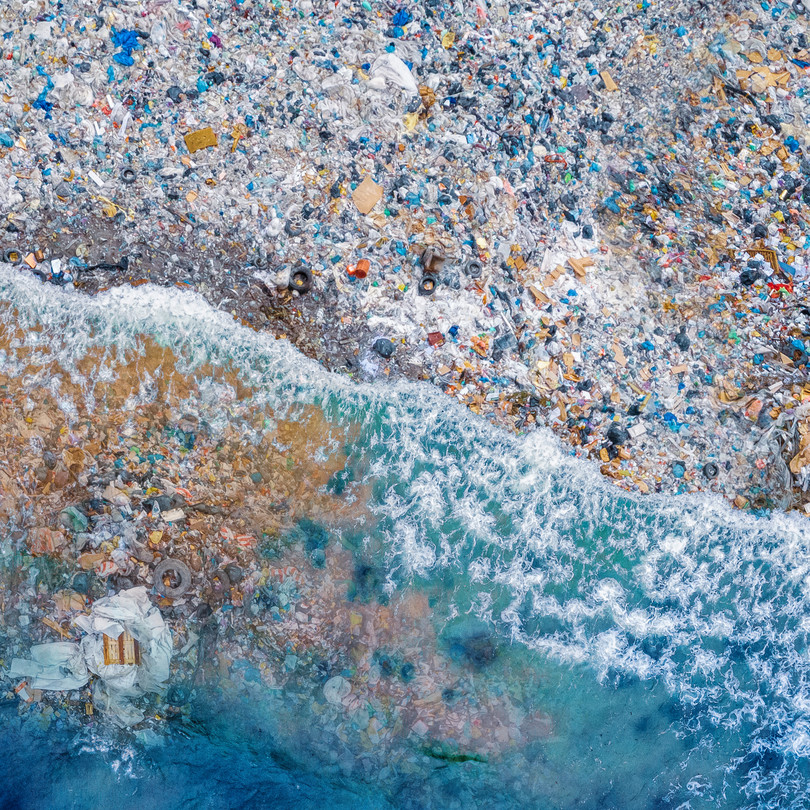
Unit 10
Market successes and failures: The societal effects of private decisions
How credit, money, and banks expand opportunities for mutual gain, and the factors that limit their capacity to accomplish this.
Full table of contents
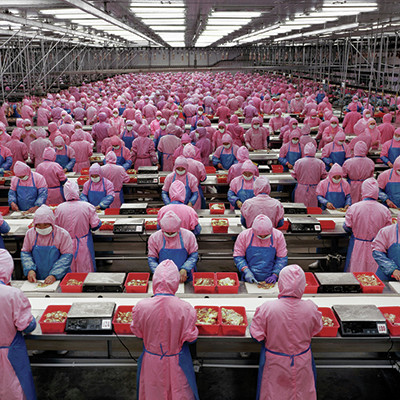
Unit 1
The supply side of the macroeconomy: Unemployment and real wages
How equilibrium in the economy-wide market for labour determines wages, employment, and the rate of unemployment.

Unit 2
Unemployment, wages, and inequality: Supply-side policies and institutions
How differences in institutions, policies, and shocks affect macroeconomic outcomes.

Unit 3
Aggregate demand and the multiplier model
How economies fluctuate between booms and recessions as they are continuously hit by good and bad shocks.

Unit 4
Inflation and unemployment
How fluctuations in aggregate demand and changes on the supply side of the economy affect inflation and unemployment.

Unit 5
Macroeconomic policy: Inflation and unemployment
How governments can moderate costly fluctuations in employment and inflation.

Unit 6
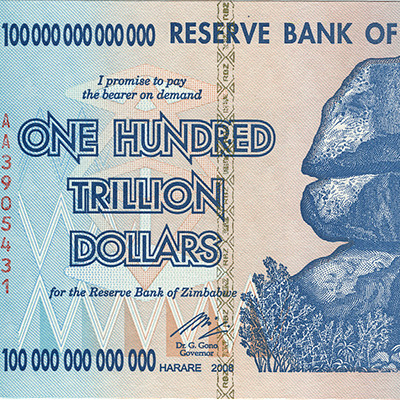
The financial sector: Debt, money, and financial markets
Debt, money, and the financial sector are crucial to the functioning of a modern economy
Unit 7
Macroeconomic policy in the global economy
How some countries still suffer from high inflation, while many others seek to control it by fixing—or managing—the exchange rate, and all are constrained by global financial markets.

Unit 8
Economic dynamics: Financial and environmental crises
How disequilibrium in the economy or the environment may lead to rapid and possibly catastrophic changes in prices or in the climate.

Unit 9
Uneven development on a global scale
Why some countries are rich and others are poor, and how planetary limits affect growth and inequality.

Unit 10
Government as economic actor: Economics, politics, and public policy
How governments (particularly if democratic) may address inequality, planetary boundaries, and other challenges, and why they may fail to do this.
Formats
Compare features across formatsFree-to-read online
The Economy is free for anyone to read online. Jump to unit 1 now.
Buy the print textbook
If you like to learn on paper, or want a copy for yourself or your library, you can buy the full-colour print edition.
Install the app
Install the free app edition of The Economy 2.0 to read offline. Available for Android devices, Windows desktop and Apple Mac devices.
Download the free ebook
Download the .epub edition of The Economy 2.0: Microeconomics and The Economy 2.0: Macroeconomics for free to read offline. The Economy 2.0: Microeconomics and The Economy 2.0: Macroeconomics are available on Apple Books. Please note that on some epub readers the support for our interactive features will vary. We recommend using Thorium Reader for an optimal experience. The epub file is not Kindle compatible.
Extra instructor & learner resources
See more resourcesTest bank
Browse and try over 900 MCQs, and export them for Canvas or Moodle.
Teaching community
Learn from and share with others teaching with CORE.
Visualising global inequality
Explore how income distribution within and between countries has changed over time.
Citation resources
Find out how to accurately cite The Economy 2.0 and its individual units with our citation notes.
Behind the book
We are a cooperative of knowledge producers committed to free digital access to The Economy.
We want as many people as possible to be able to reason about, and act to address, the challenges of the twenty-first century economy, society, and biosphere. Our hope is that the best of economics can become part of how all citizens understand and seek to address the problems that we confront.
Read more about the book
We want to change the way economics is taught. Students in economics all over the world are asking: “Why has the subject of economics become detached from our experience of real life?”
Camila Cea
University of Chile

New problems now challenge introductory courses: mounting inequalities, climate change, concerns about the future of work, and financial instability. The tools to address them are available, can be accessible, engaging, and coherent to first-year students.
Wendy Carlin
UCL, CORE director

People today think that economics should be addressing inequality, climate change, instability, the future of work, and innovation. But none of these issues play any substantial role in what our introductory economics students are learning.
Samuel Bowles
Santa Fe Institute, CORE author
